-
Architectural Stone
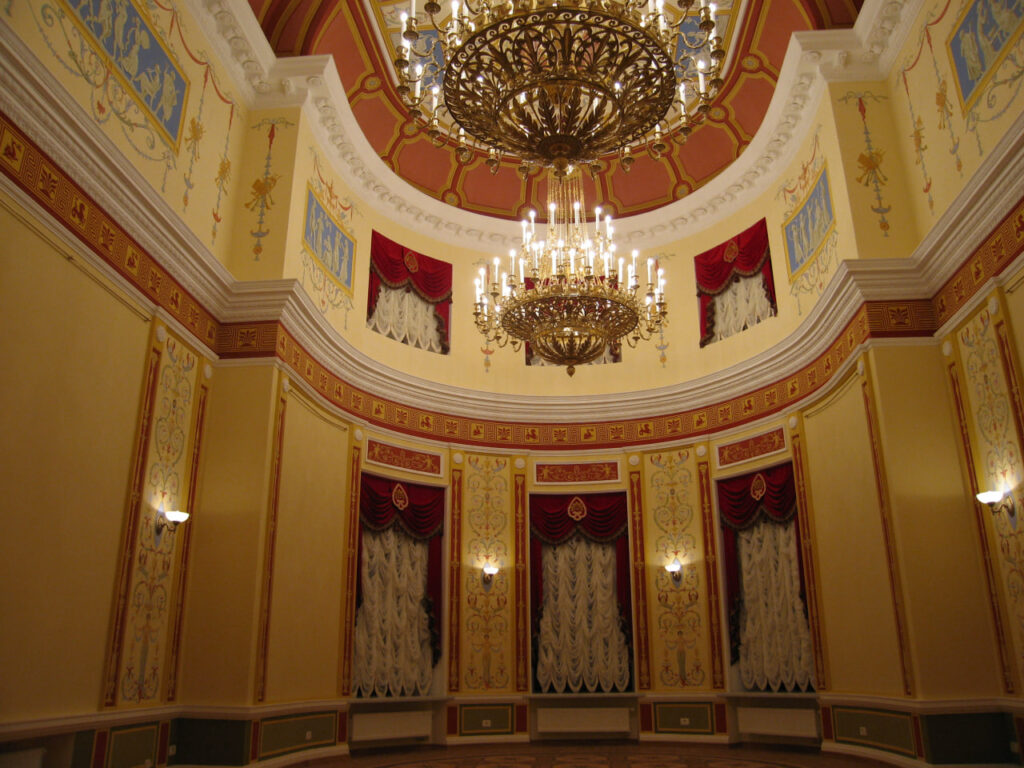
Architectural stone is a material based on Portland cement. In appearance and structure, this decorative stone resembles limestone or natural sandstone. It is used to decorate decorative load-bearing elements of facades, embellish interiors and exteriors, improve territories, and in landscape design.
The main advantage of architectural stone is that it does not require painting or treatment with protective mixtures. The material withstands environmental effects excellently: weathering, temperature fluctuations, and humidity. High-quality components allow for a durable product whose service life matches the service life of the building itself.
-
Fibrous gypsum (GRG)
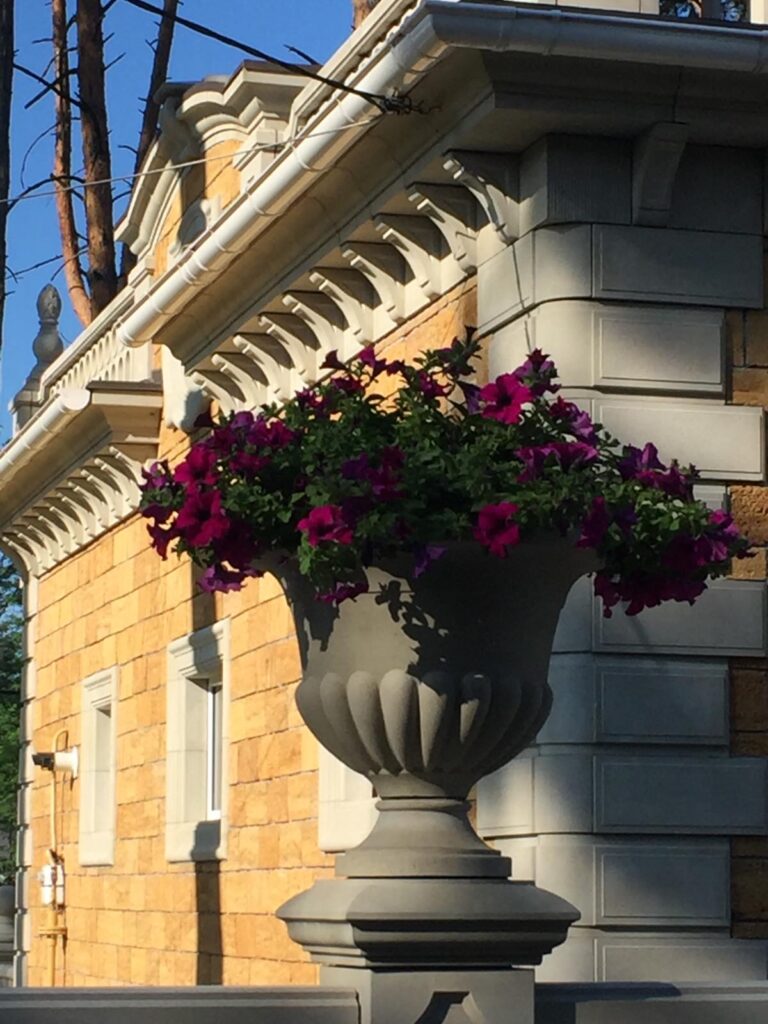
Gypsum plasterboard is a modern composite material, a combination of classic gypsum and fiberglass reinforcement. Adding the latter significantly increases the strength of the finished structure, making it resistant to mechanical damage. The use of gypsum plasterboard significantly simplifies construction processes, reducing time and financial costs, while the result is not inferior to products made from natural materials.
High strength combined with low weight allows you to manufacture elements of almost any shape and complexity, imitating the textures of other materials.
-
Glass reinforced concrete (GRC)
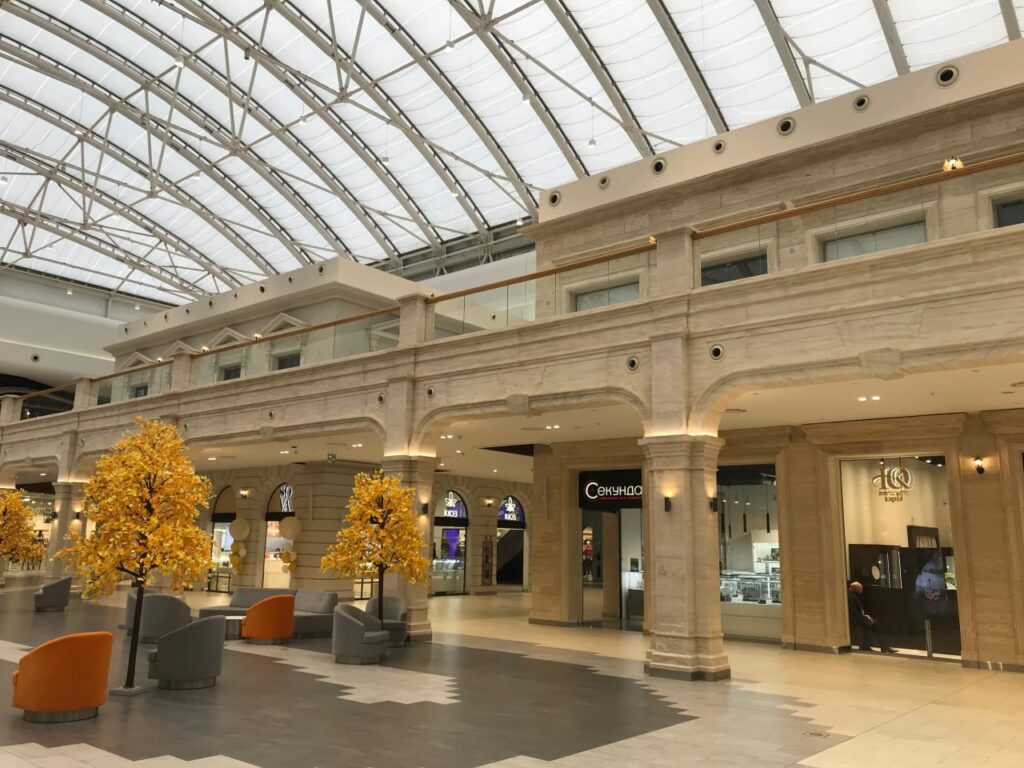
Glass fiber reinforced concrete (GRC, GFRC) is a lightweight, strong, and reliable finishing material that successfully replaces natural stone. Thanks to its plasticity, GFRC elements can have practically any shape and size, and the wide range of textures and colors opens up limitless possibilities for design.
The unique properties of glass fiber reinforced concrete are determined by its high strength. External loads are absorbed by the elastic fiberglass that reinforces the fine-grained concrete. It increases resistance to bending and stretching many times over, and the impact strength of the composite increases 10–15 times compared to ordinary reinforced concrete.
-
Styrofoam decor
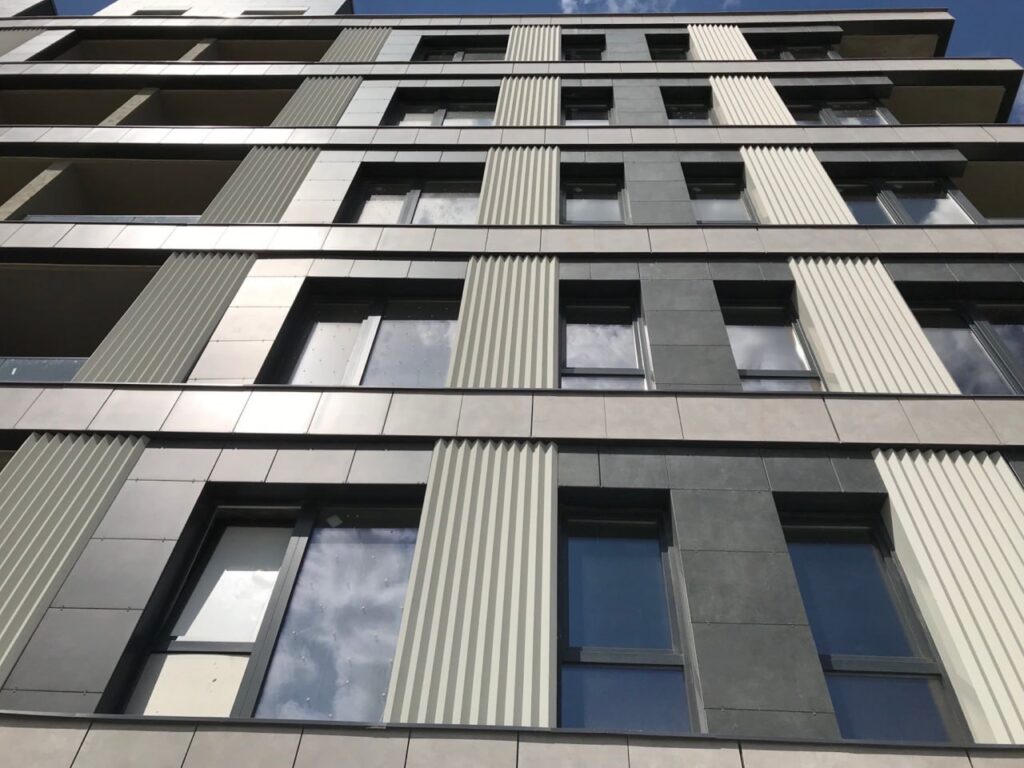
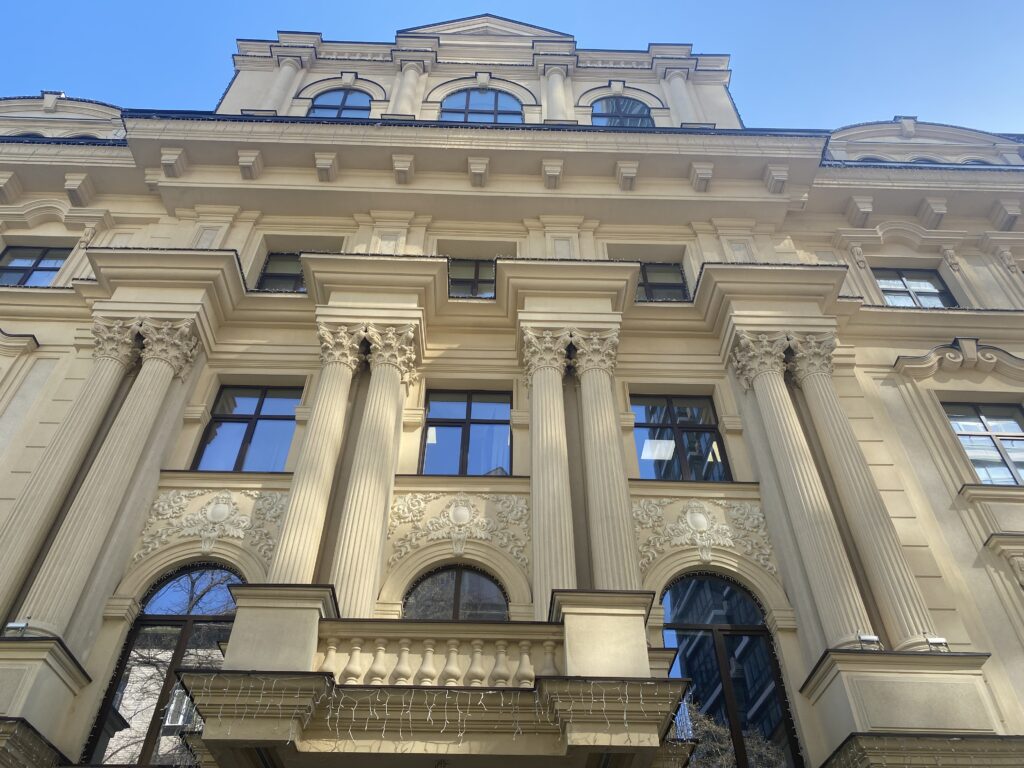
The use of decorative elements made of expanded polystyrene is a modern technology for decorating facades, which is becoming increasingly popular.
The use of special protective coatings reliably protects products from the destructive effects of the environment, and decorative finishing gives the facade an aesthetic and finished look.
This technology allows you to produce almost all types of classic facade decor.
-
Gypsum molding
Gypsum is a unique natural material that has no competitors in creating elegant details that can decorate your interior, home and life. Gypsum is rightly appreciated by decorators of the most famous European cities: Rome, Paris, London and Cologne.
Gypsum stucco molding is always in demand among true connoisseurs of stylish interiors. Stucco decor is made of environmentally friendly and non-combustible gypsum of the G-10 brand, which guarantees reliability and durability of products at an affordable price.